 a result of my recent column on Tuesday 10 of this month titled "My brother and I ... a history of effort and sacrifice, "the Lord Eduardo Sáez; Who would not I have the pleasure of knowing personally, entered a comment that in part reads:
 "... If you read my old reviews you can see that giving notice to Climacus, Homer and many others to e
 scriber Canete (who did not know) of their childhood, their experiences. He said that this could be from their own points of view put the country's history and our people daily. So we encourage talents also did not know they were not written out of shame, humility or whatever. We have seen wonderful results. AND YOU. "When?"
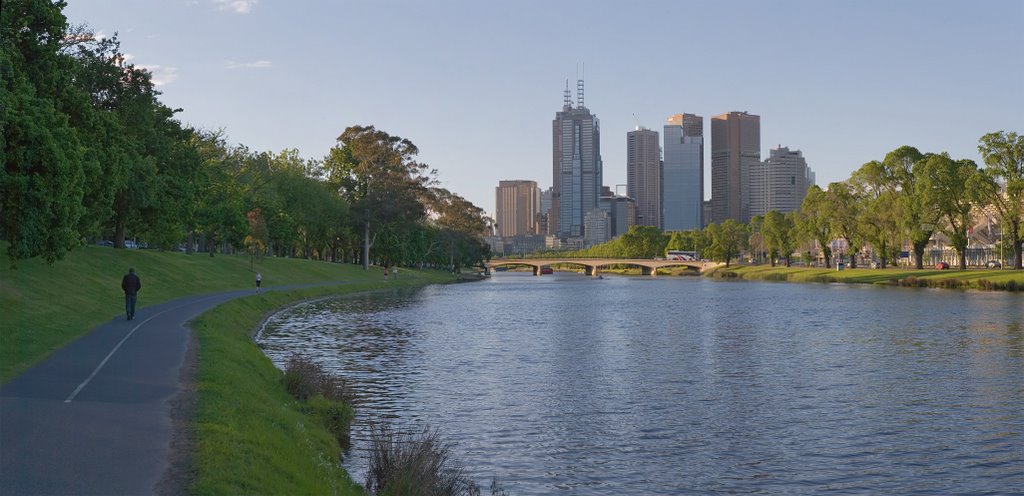
 ends by asking: And you "when they will ?...; the answer came to my email from Melbourne, Australia and a Chilean (cañetino) resident there told me their own experiences to find the direction of his life and plan the future for himself and his family.
Along with that makes me remember some people and situations to be replaced in my mind lead me to think and to recognize reality "that this world is very small," for what seemed distant and forgotten, is, shall we say "a around the corner "
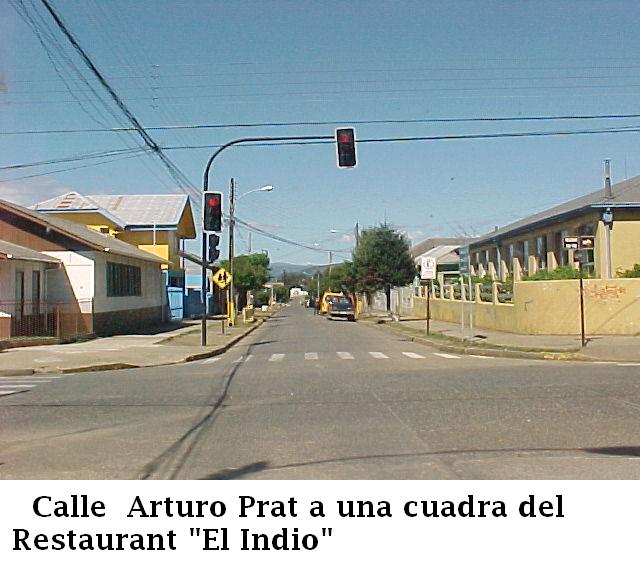
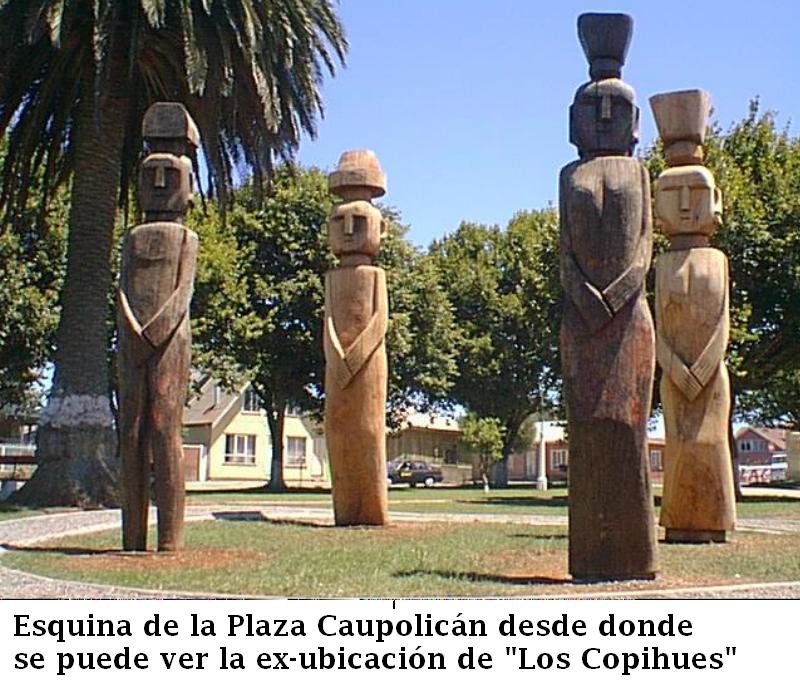
For example, who did not know at the time of splendor Restaurant "El Indio" located at the corner of Arturo Prat Second Line property of Mr Gabriel Diaz and that the early years of the 70s managed a family member (Don Miguel Carrillo who last I spoke to was in the year 1980) and who later opened his own restaurant on the Plaza Caupolicán called The Copihues, but was popularly known as "The Indian Boy."
Well, as I said before, Don Javier Carrillo, son of Don Miguel through an e-mail me his experiences of life and the way Don Eduardo Sáez answer your question ... AND YOU. When do will?
Here is his story, which generously share with you because it is still fascinating:
"Good morning, Once again the themes of memories are very precious and yet sad. I remember
against Millaray Radio was the restaurant "El Indio", created by my great uncle Joseph Carrillo, the same as my parents were in charge for several years during the '70. Later we moved to the plaza Caupolicán the restaurant "The Copihues" which no longer exists, but people knew him as "the Indian boy." In those years I would have 4 to 6 years of age. I still remember all that time. Today I have 38 and I 19años in Melbourne Australia. I have spent half my life lived in this country and still fondly remember our dear Cañete.Por '85 I had the opportunity to read "The House of Blue Farolito" Oscar Castro, I lent my girlfriend in those so now my wife. Very good book, I confirmed to him that I was not the only one who had had a difficult childhood. Reading this book gave me strength to strive and go adelante.Mi father's name was Miguel Carrillo Henríquez, María Fresia Mom Díaz Carrillo, I think they came in late '73 back from Santiago Cañete hacers e
 by the Restaurant El Indio that it now belonged to my uncles and Gabriel Eusebio Díaz Carrillo. Beside the restaurant was the sausage factory "The Three B". Well the thing is that my uncles continued with the sausage factory and my parents worked "El Indio" for three years until 1976.
 At the end of '76 opened the restaurant Los Copihues, alias "Indian Boy", more or less through 1996. The exact dates can not remember.
My father sadly passed away in March 1990 at age 54 after a long battle with alcohol
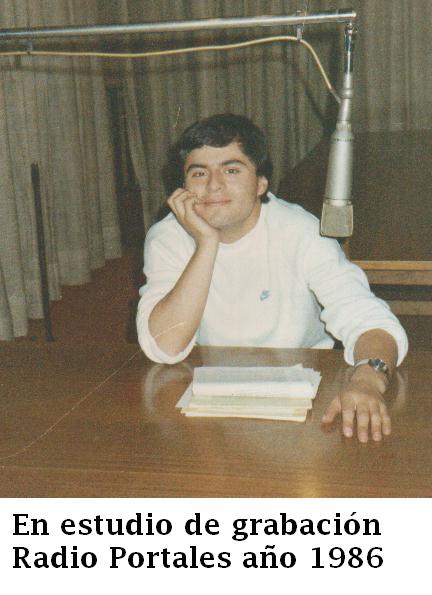
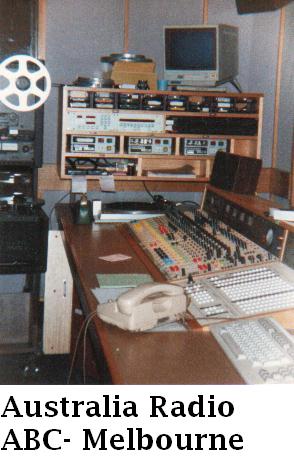
In '86 I had the opportunity to practice in the station at Calle Diego Portales Army No. 125 in Santiago. Had finished studying at the Technical Liceo A-112 of La Cisterna as electronics technician. That opportunity opened my eyes to the world of radio, not technical but as speaker and panelist. My main task was to keep 100% of studies, daily routines were followed to the letter. While after the head of technical department was much of my interest in the panels (consoles sound).
One day they were in need of one for the studio recordings and listen to the chief of the panelists (radio-drivers) complain that there was no one available for editing some interviews important, my boss told me to speak. I called the studio and asked if I knew how to use the panels as "patch" in the recording equipment, he said yes. I asked to see, that you transfer from one computer to a tape recorder, 3-minute interview I did it in 10 minutes and offered me work for him every day in the afternoon for 5 hours.
So I started another stage of my life. On Sundays he worked as a panelist on two shifts, one in radio Portales, and the other radio corporation that was on the same floor of the building. I also did shifts in the Studio for journalists who arrived with recorded interviews. I had to edit the interviews to taste and prepare journalists for the news.
He was 16 years old and already had a reputation among what you might call a high radial. Later
gave me more work and I was assigned to prepare the Studio commercial jingles and voices came stars, floor speakers, and we spent
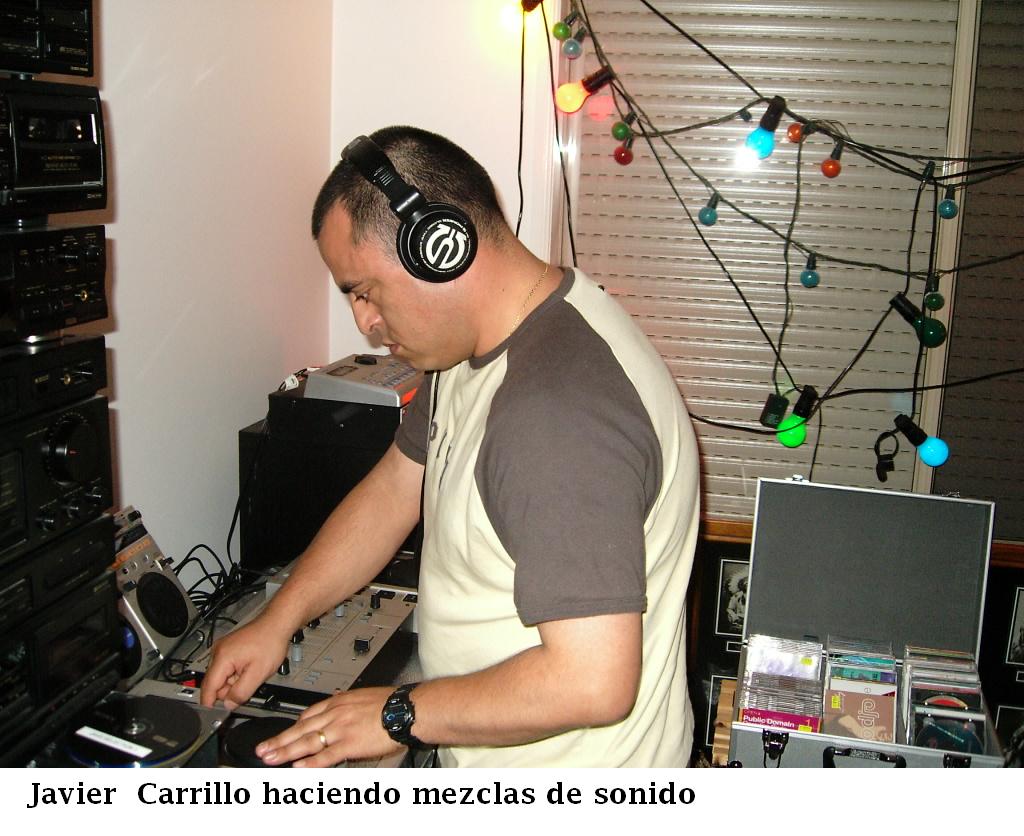 me a few hours doing business as customers wanted.
 The third floor was Carolina FM radio, then I had to work on holidays and Friday evenings doing replacements. Besides preparing the audience to record the Bandita de Firulete, placed the microphones, cleaned and demagnetized the heads, did the same tapes that the producer brought to the recordings, there was only an assistant.
could not convince me that what I heard on the radio when I was kid was just a acto.El flew '86 and '87, the experience gained is priceless, the bad news was that the labor was poorly paid.
end of '87 and knew that Australia was my next stop, so let broadcasters Diego Portales and went to Cañete to await the day that would come from Chile. Meanwhile I worked in radio as a panelist Revelation (radio-controller), I did until September '88, one week later was on his way to me represents Australia.Oscar Castro the most simple of our land, I have all his books, and occasionally re-read for not forgetting my pasado.Saludos
As you can see dear readers is the gripping and beautiful story of a Chilean; cañetino well as many that are spread throughout the world seeking better prospects of life for himself and his family
 p ut they carry in their hearts and engraved in his mind to fire the name of their town, its streets and places they were born , grow and open our eyes to the world. Chilean-cañetinos
 that where walking talking of his land and his people as the most precious of their lives that are neither "unlawful cañetinos" or "cañetinos of the diaspora "dares to qualify as a" friend "me
Because it is true that there are two kinds of cañetinos, and that's for sure, Cañete who love living there, and those who love and mourn from afar.
AND YOU ... when I send your story?; The wait.
wrote: FRANCISCO FLORES OLAVE


0 comments:
Post a Comment